This article contains promotional links.
When Astra arrived, I saw people making amazing 3D models on X and started trying it myself. Lately, though, I can't shake the feeling that it has gradually been nerfed as I've used it.
Still, there's no point just complaining, so I tried combining it with open-source tools to make 3D models. I wanted to see how far OSS alone could go, and whether Astra or Fable seemed better suited to refinement. I also made models with Meshy for a quick comparison.
I tried both a character and an object. GPT generated the reference images, and I used the same four views for each workflow. I ran Astra and Fable through their CLIs.
The reference images
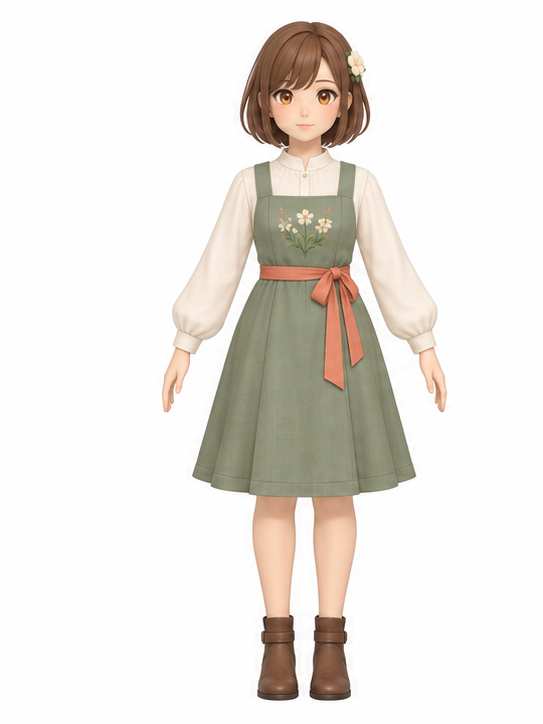
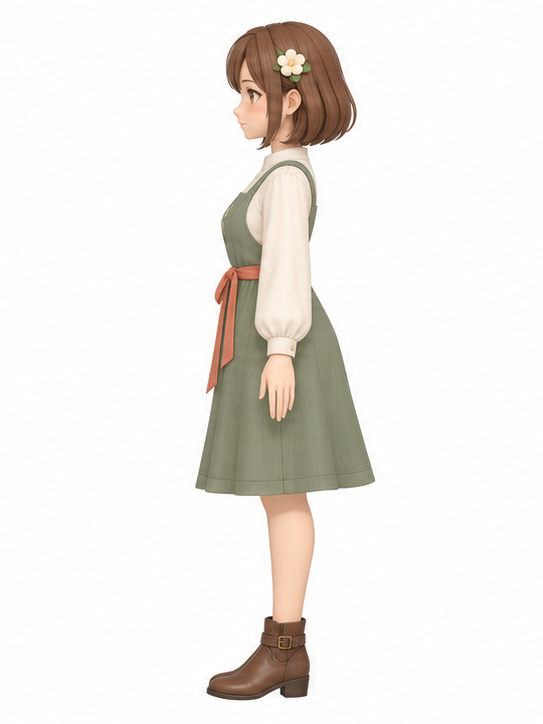
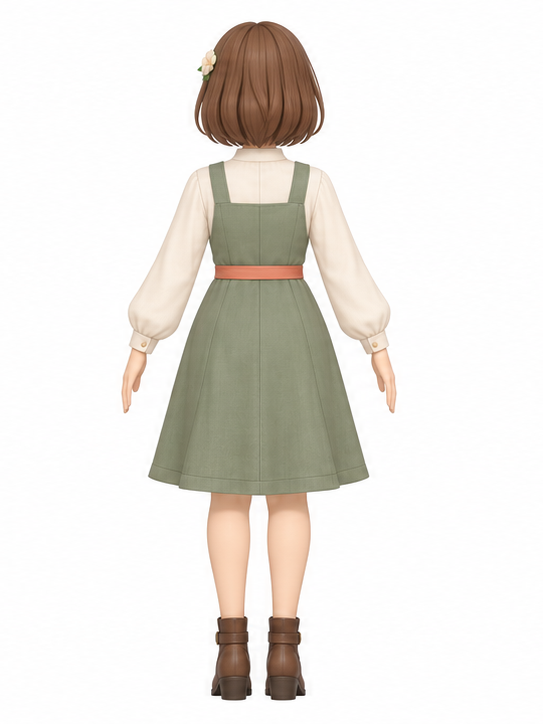
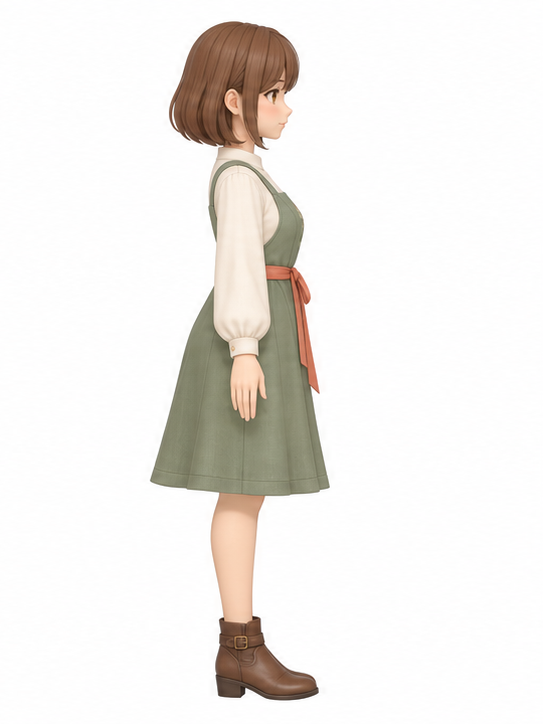
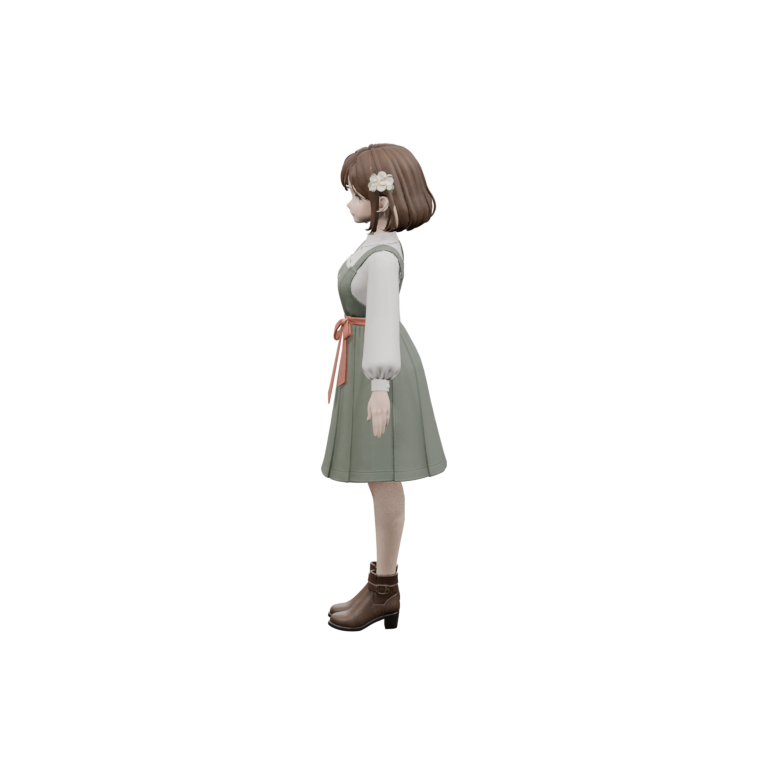
Girl
First, I asked GPT to create a girl who looks like a village florist. These are the separate views cropped from the original turnaround sheet.
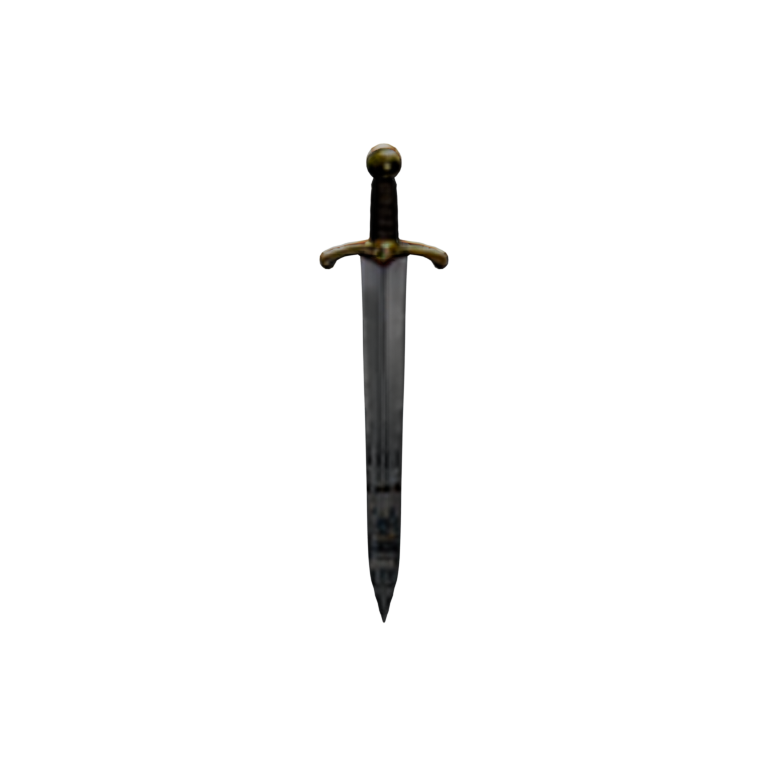
Sword
The other subject is a one-handed sword for the village. GPT made this one too, and I split the sheet into four views.
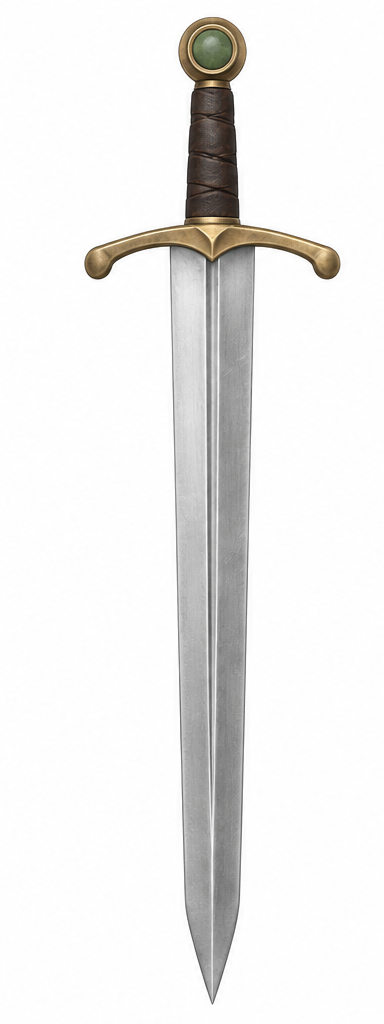
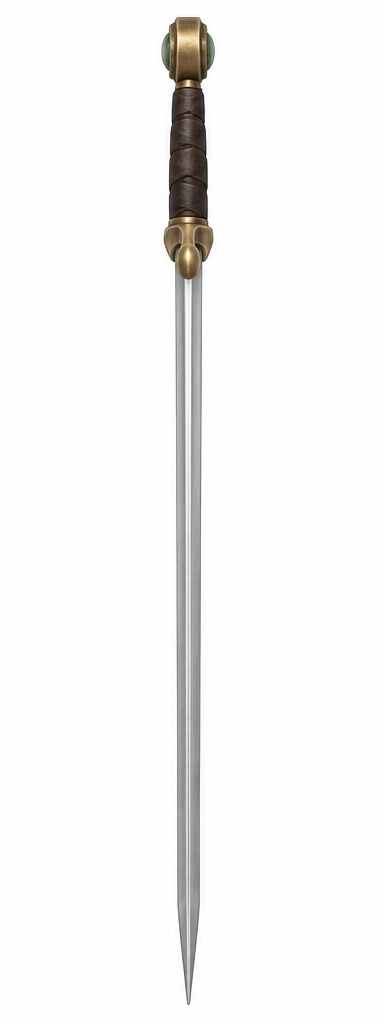
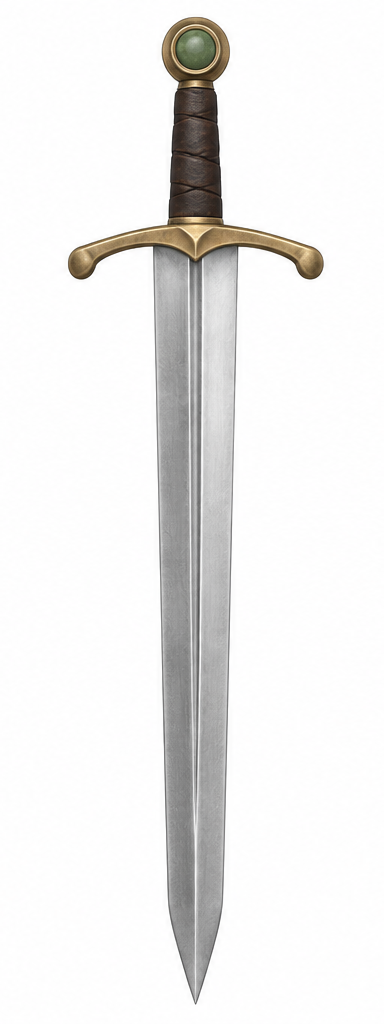
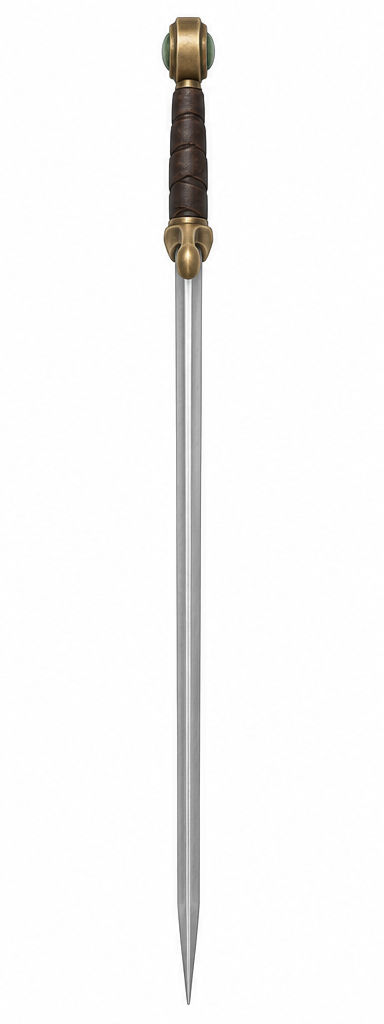
Creating a character model
3D model generation with Hunyuan3D-2mv and Hunyuan Paint
Hunyuan3D-2mv generated the shape, and Hunyuan Paint added the texture. These stages run separately on the local machine, so I can redo the shape or texture independently.
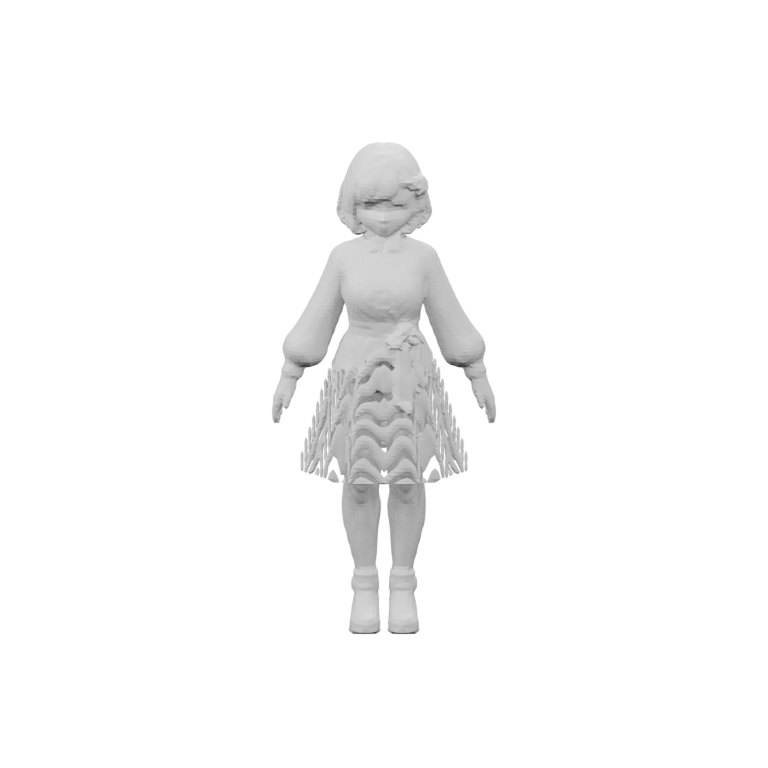
The result had a full-body silhouette, but the face, hair and skirt were visibly uneven before texturing. The grooves in the skirt and gaps around the hem stood out. Changing the color alone wasn't going to fix those.
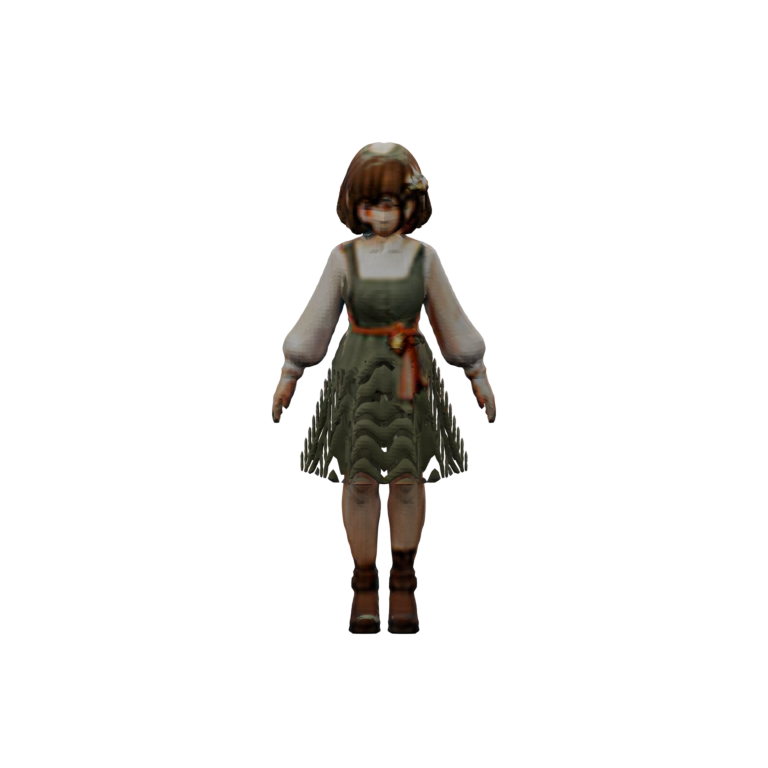
Hunyuan Paint added the clothing colors, but the face and chest embroidery were blurry. The back of the head and skirt also picked up patterns that weren't in the reference. It looks like a person, but keeping the charm of the original image is harder.
Shape refinement with GPT-6 Astra and Claude Fable 5.1
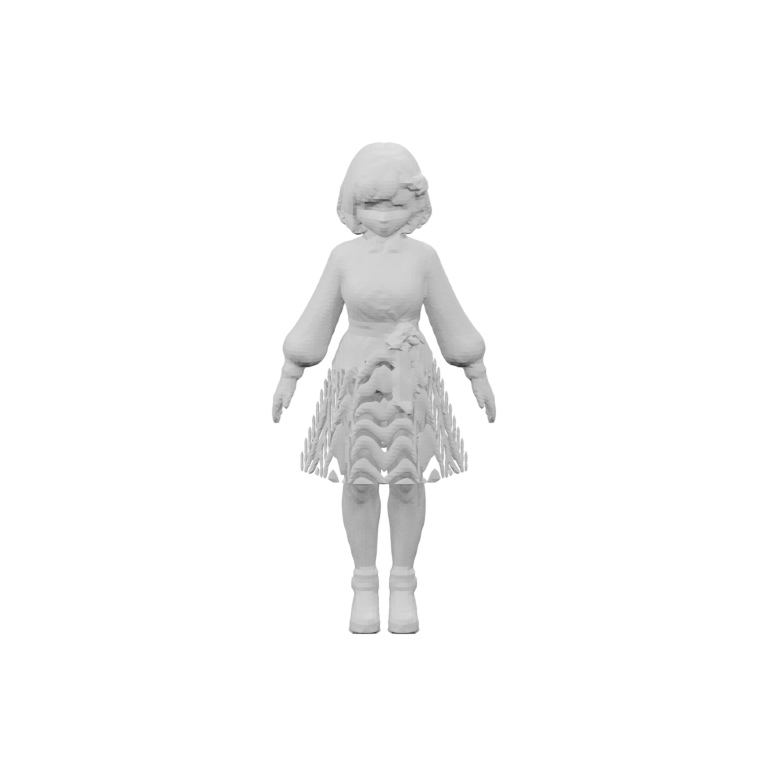
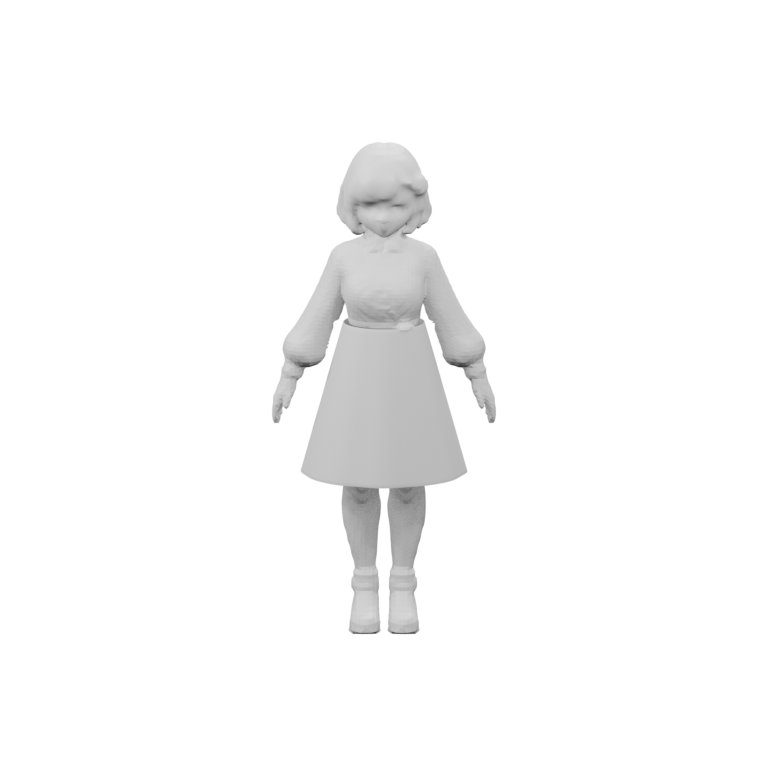
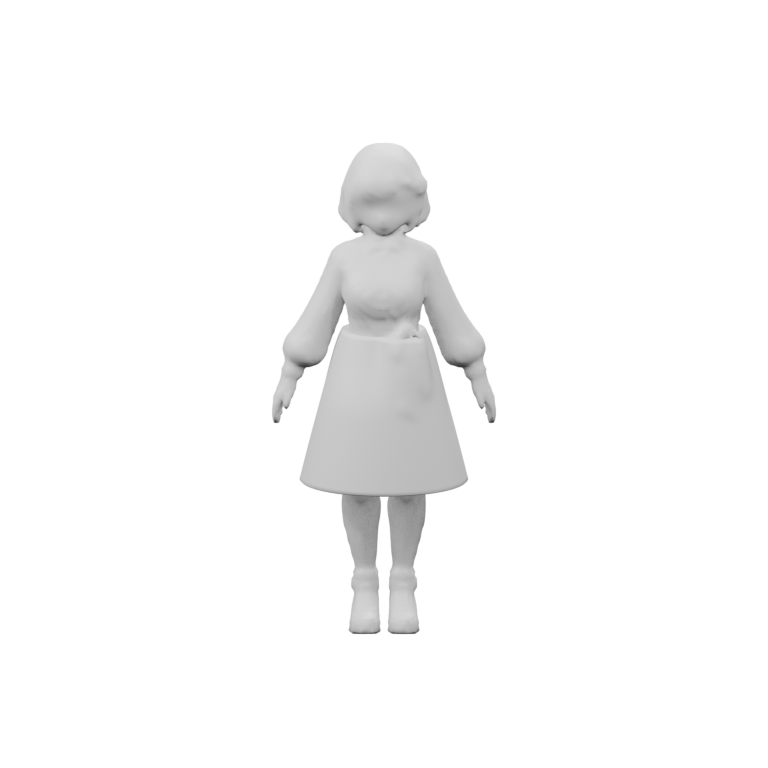
The face and skirt were rough, so I gave Astra and Fable the same model, already textured by Fable, and asked them to refine its shape. Here are the results without textures, so the geometry is easier to compare.
Here's how the refined models look with their textures.
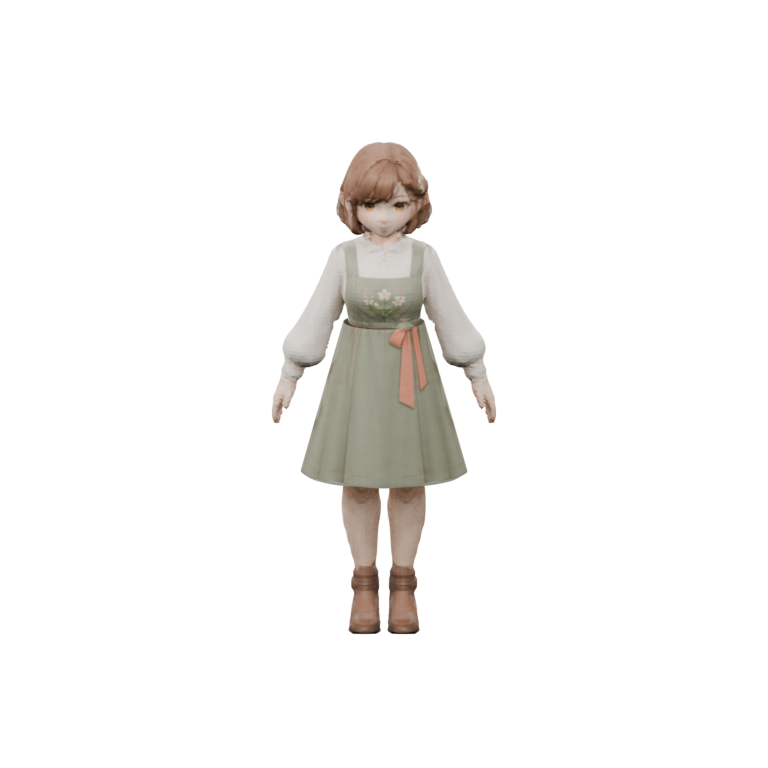
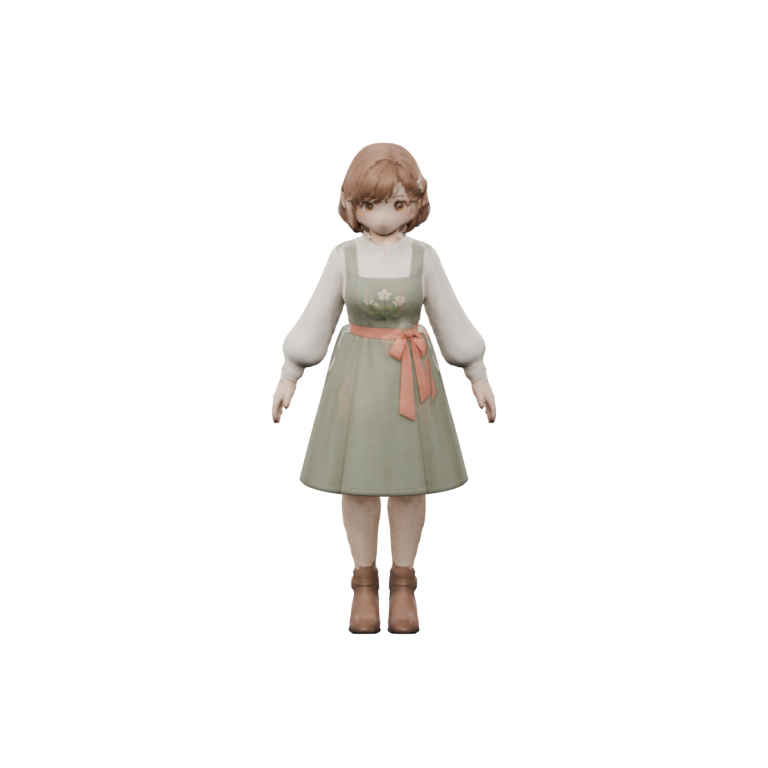
Both reduced the waves in the skirt quite a lot. Rather than simply cleaning up the existing skirt, they rebuilt parts of it. Astra smoothed local areas of the face and hair, while Fable also smoothed the head. The results look cleaner overall, but they don't restore all the facial detail or clothing relief.
Comparison with Meshy
I gave Meshy the same four views. Settings: Meshy 7.1, high detail, 2K, textures on, image enhancement off, private. It used 35 credits.
Meshy's version brought together the face, hair accessory, clothing folds and boots really nicely. It's good to see the reference character's charm survive with so little work.
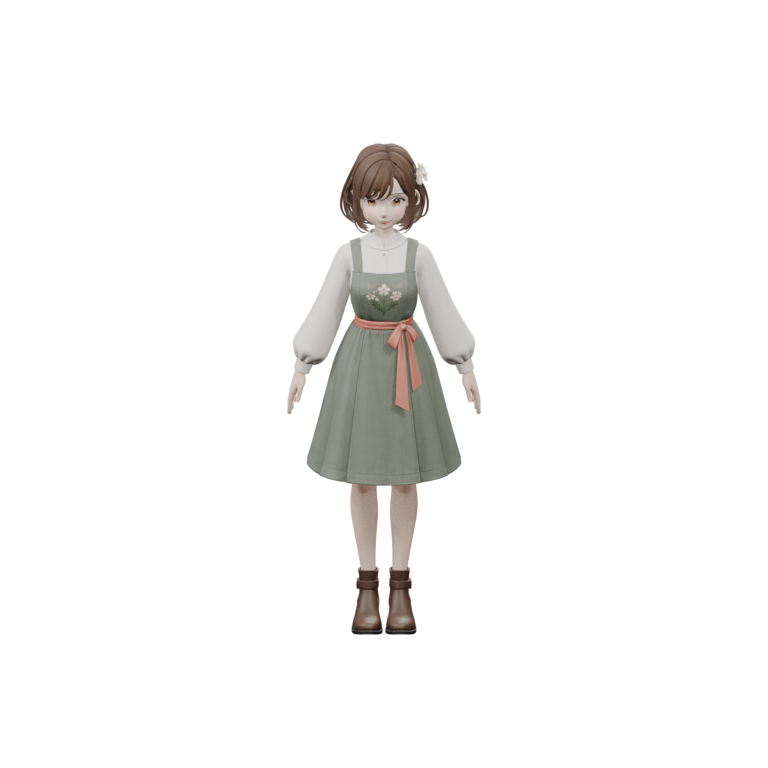
Meshy character, rendered in Blender using the same setup.
Try image-to-3D with Meshy (Paid link)
Rotate the models to compare
Click to load the model. Drag left or right to rotate, and scroll to zoom.
Shape refinement reduced the roughness of the skirt, but the face and clothing details still didn't fully recover the original character's charm.
Creating an object model
3D model generation with Hunyuan3D-2mv and Hunyuan Paint
The sword has fewer parts than the character, and the blade, guard and grip were recognizable. But there was a dark pattern on the lower half of the blade. The basic shape isn't bad, though that surface needs work if it's supposed to look like metal. The tip and guard are still rough too.
Shape refinement with GPT-6 Astra and Claude Fable 5.1
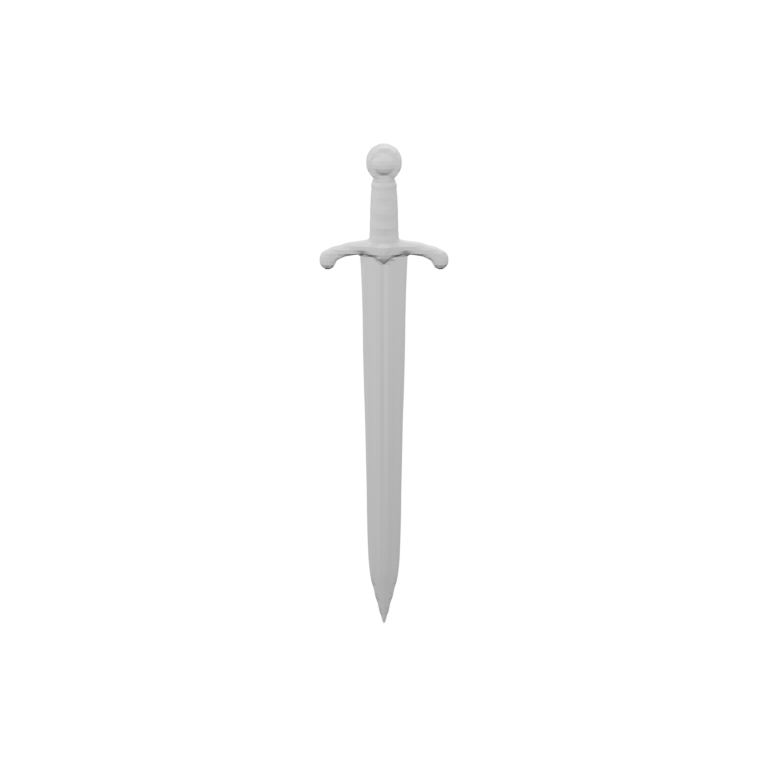
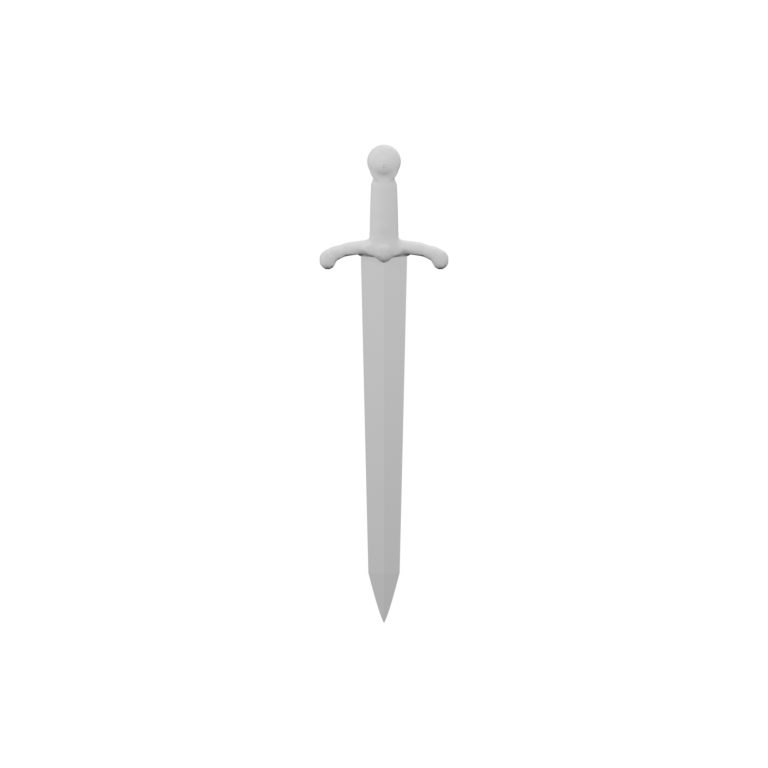
I also asked both models to make the blade thinner and straighter. They rebuilt parts of it and cleaned up the outline, but didn't recreate all the ridges or decorative details from the reference.
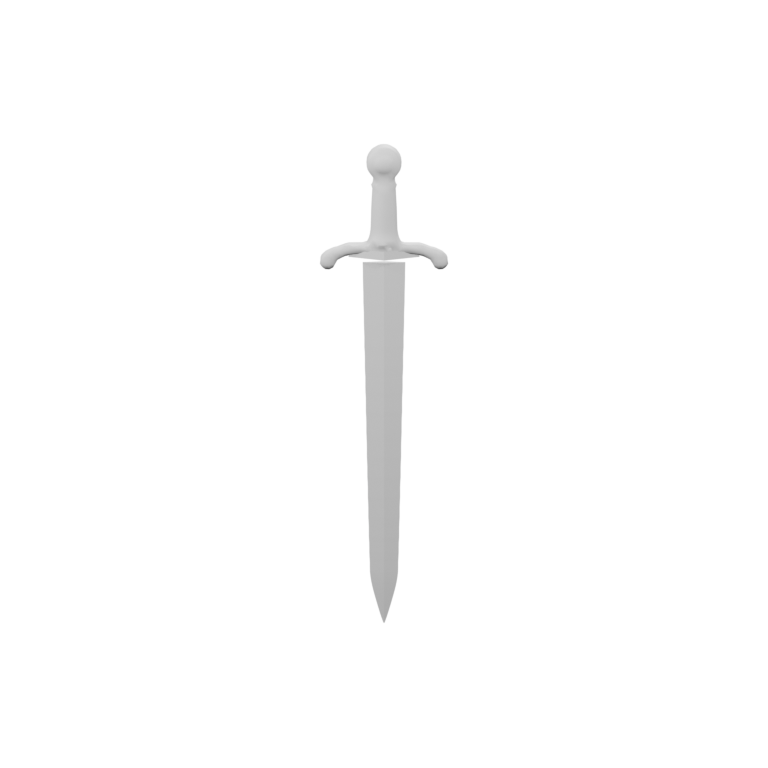
Here's how the refined models look with their textures.
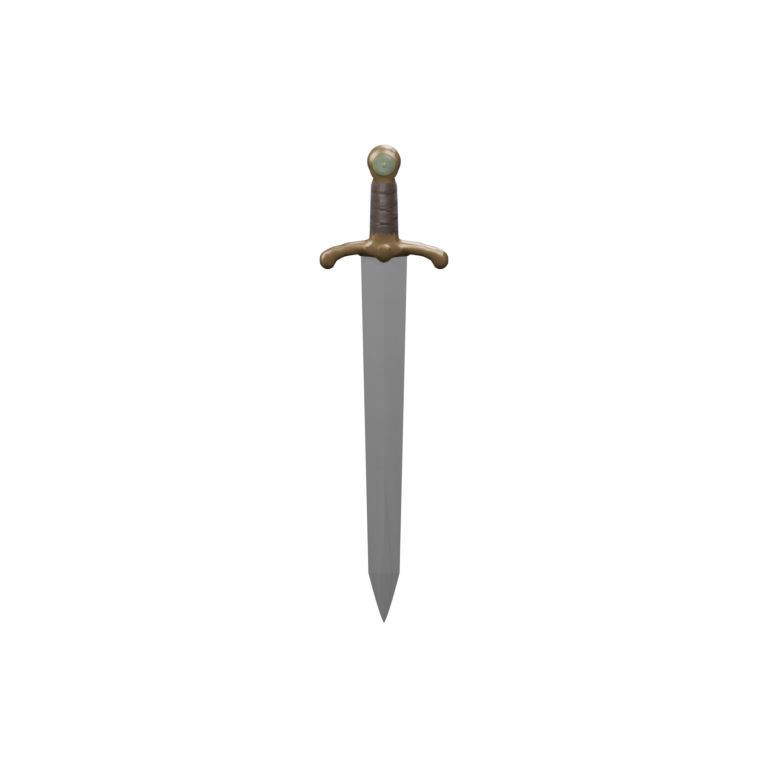
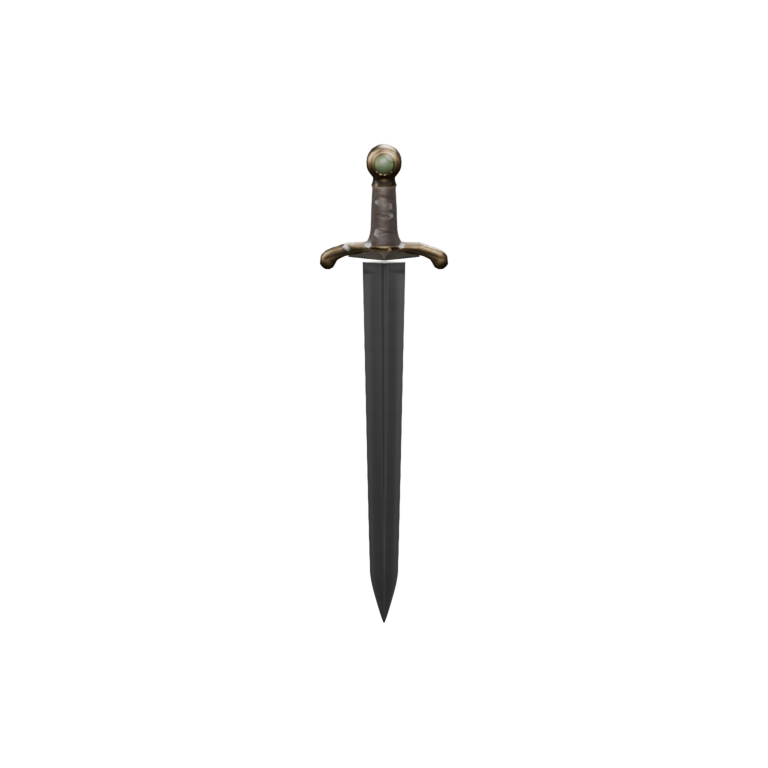
Astra adjusted local areas of the grip and guard and added a stone to the pommel. Fable made a blade with a diamond-shaped cross-section, but also added a joint that wasn't in the reference. Some parts look better, yet more refinement doesn't always mean a closer match to the original.
With simple objects, it's easy to describe a change: make the blade thinner, make this part symmetrical, or separate the materials. That's what makes OSS plus general-purpose AI interesting to me. Getting a character's face and hair to look natural was still harder with this approach.
Texture refinement with GPT-6 Astra and Claude Fable 5.1
For the texture comparison, I used the same original OSS shape, separately from the shape-refinement test. The Astra and Fable versions have the same triangle count and dimensions.
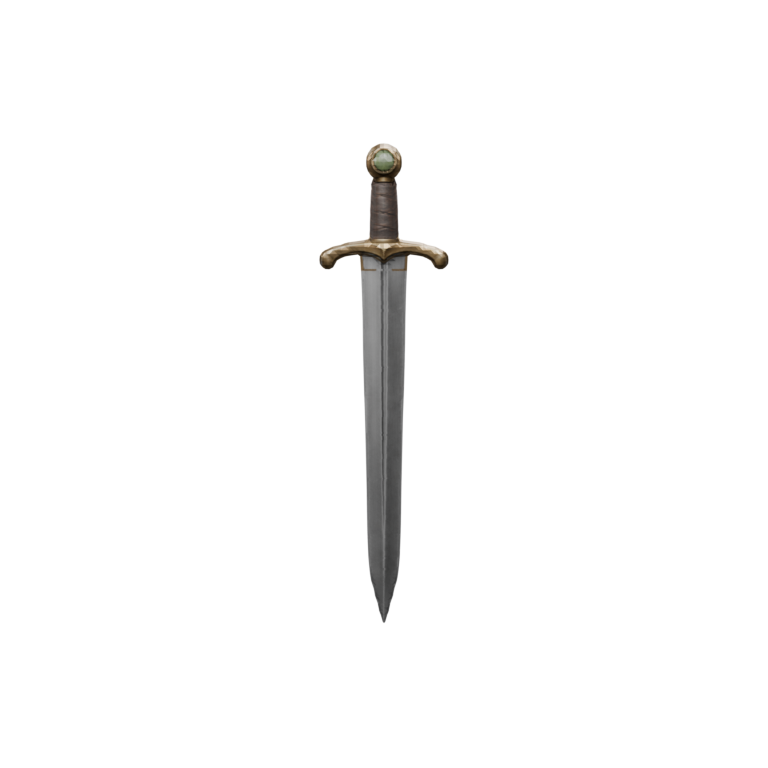
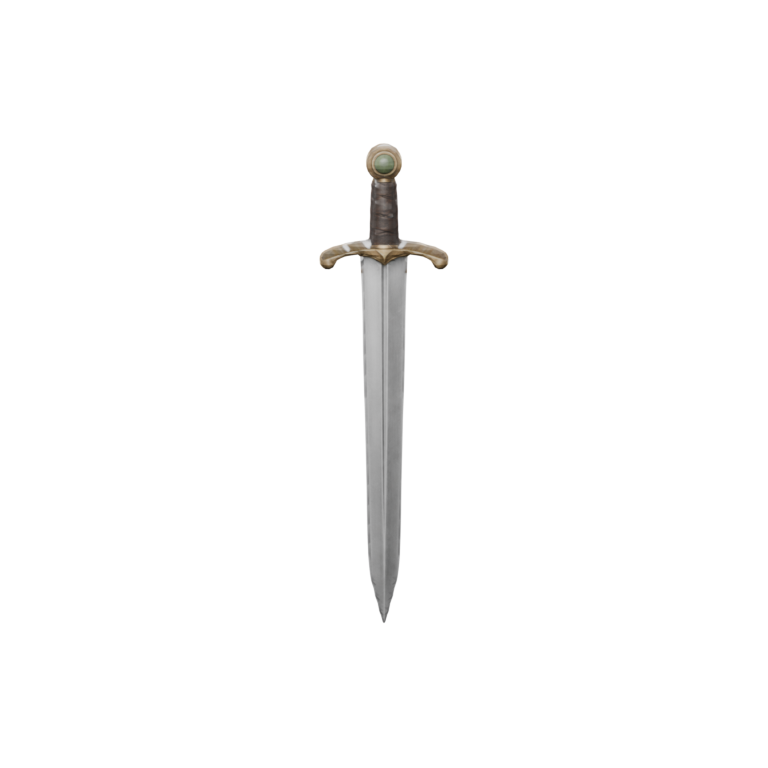
Changing the texture alone made this sword much easier to read. Astra's version makes the different materials especially clear. The rough tip and guard geometry are still there, though.
Comparison with Meshy
I gave Meshy the same four views, using the same settings as for the character. This also cost 35 credits. The blade ridges, guard, wrapped grip and pommel stone are distinct, and the dark pattern from the OSS version isn't prominent. The blade looks fairly dark under this lighting.
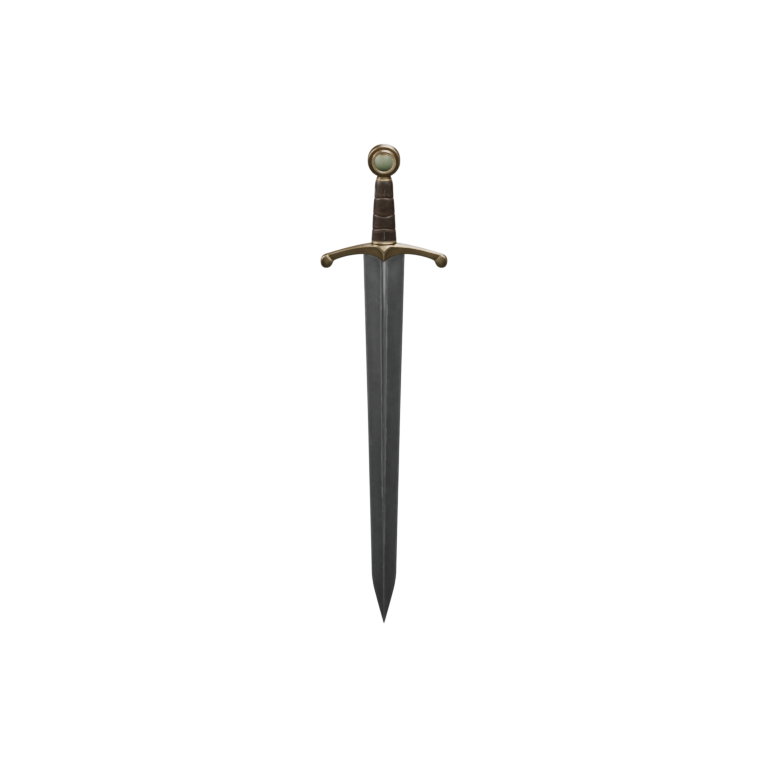
Try image-to-3D with Meshy (Paid link)
Rotate the models to compare
Click to load the model. Drag left or right to rotate, and scroll to zoom.
Mesh detail and polygon counts
Meshy was far ahead in mesh density in this test. The OSS character has roughly 48,000 triangles, compared with about 1.56 million for Meshy. The sword has roughly 7,000 versus 62,000. That's about 33 times as many for the character and nine times as many for the sword.
On the other hand, OSS captures the overall character and sword silhouettes well with far fewer triangles. The fine detail needs work, but these are promising starting shapes. Texture and materials also affect the visible difference, so triangle count alone doesn't determine quality. For games, I'd like to see how much of Meshy's detail survives optimization.
Processing time by workflow
Test machine: MacBook Air / Apple M5 / 24 GB memory. OSS and Blender ran on this computer.
Approximate totals for generation and refinement, after the reference images were ready.
| Workflow | Processing steps | Character | Object |
|---|---|---|---|
| OSS only | Shape generation + texture generation | About 1–2 min | About 1–2 min |
| OSS+GPT-6 Astra | Character: OSS generation + Fable texturing + Astra shape refinement Object: OSS generation + Astra texture and shape refinement | About 20 min | About 20–25 min |
| OSS+Claude Fable 5.1 | OSS generation + AI texture and shape refinement | About 25 min | About 20 min |
| Meshy | Generate a textured 3D model from images | About 30 sec–1 min 35 credits | About 30 sec–1 min 35 credits |
Choosing a workflow
For low-poly assets with simple shapes, OSS plus general-purpose AI looks useful enough.With objects such as the sword, being able to specify changes to the shape and color is a real advantage.
For characters and fine detail, I felt Meshy was far better.The face, hair and clothing details came together more naturally, and the difference in appearance was substantial for this character.